Asia Cup 2025 Handshake Controversy: Why Principles Matter for India - And for Water
OYF Team Sep 16, 2025 Environment & Sustainability 1035
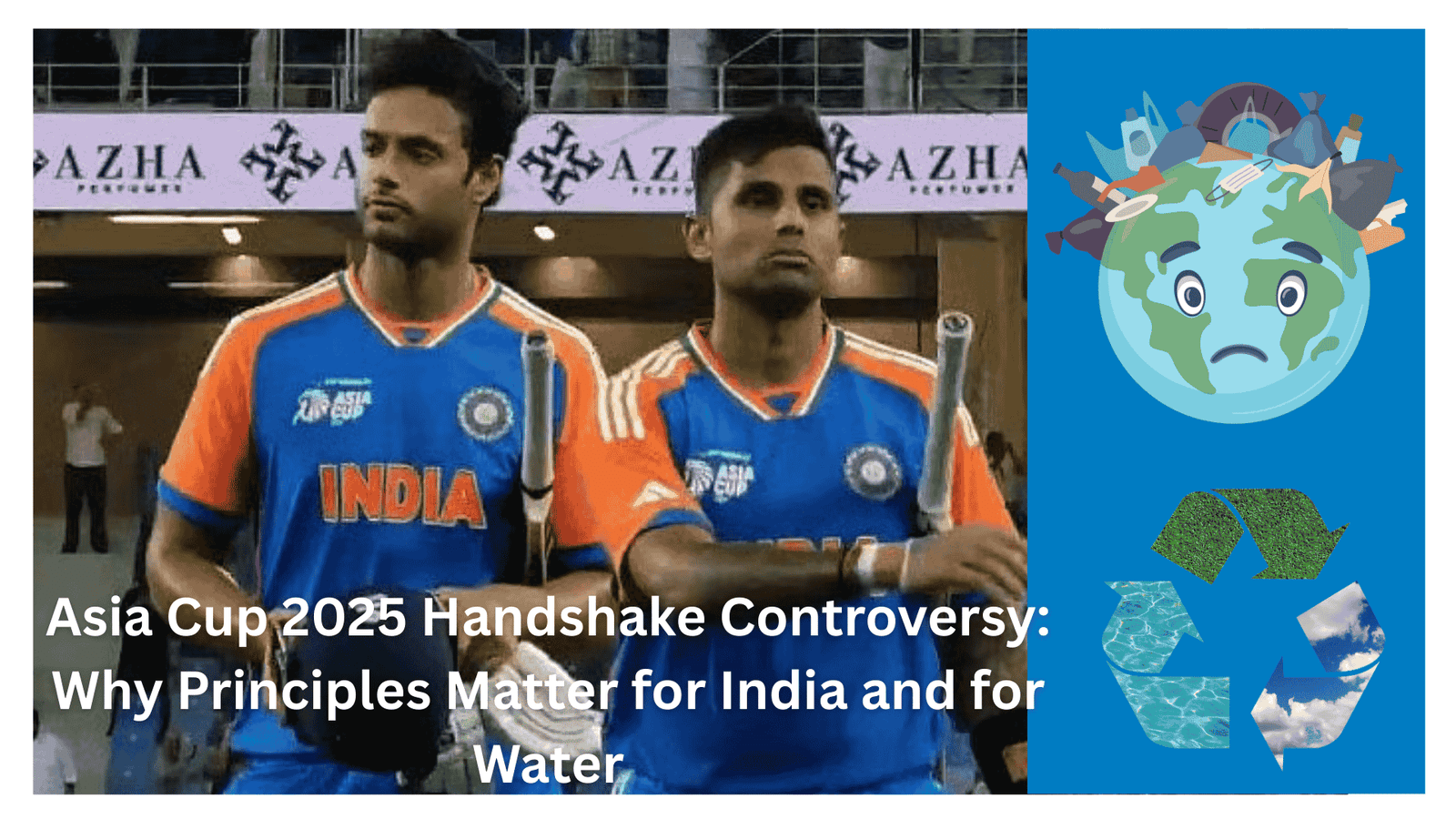
The Asia Cup 2025 will be memorable not only for cricketing intensity but also for what happened after the match: Indian players chose not to shake hands with their Pakistani counterparts.
For many outside India, it seemed unusual or even “unsportsmanlike.” But for millions of Indians, this was a stand rooted in principle. At a time when Pakistan continues to support cross-border terrorism, gestures of friendship risk sending the wrong signal. How can India extend a handshake on the field while facing aggression off the field?
This is not about hostility—it’s about drawing a line between sportsmanship and symbolism. And if we look deeper, there’s an important environmental lesson here too, especially when it comes to water pollution and water recycling.
Handshakes, Trust, and Water
A handshake is a symbol of trust. Without it, the game may go on, but the atmosphere is strained. The same is true for water ecosystems.
- Allowing pollutants in water is like shaking hands with contamination—it destroys trust in nature.
- Refusing toxic inputs protects rivers, lakes, and people—just as India’s refusal of hollow gestures protects its dignity.
In both cricket and environmental protection, the principle is the same: you cannot compromise with pollution, whether political or ecological.
Lessons for India
1. Boundaries Protect Us
India drew a boundary in the Asia Cup by not extending handshakes. Similarly, we must draw strict boundaries against industrial waste, untreated sewage, and toxins flowing into rivers. Some lines should never be crossed.
2. Respect Must Be Earned
Just as respect in cricket cannot come without accountability, clean water cannot exist without responsible usage and treatment. Recycling wastewater is how we “earn back” the respect of nature.
3. Prevention Over Damage Control
It is wiser to prevent toxic infiltration than to repair damage later. In cricket, that meant not extending symbolic gestures that could mislead. In water management, it means treating wastewater at source and promoting recycling.
The Bigger Picture
For India, the Asia Cup controversy was not just about cricket. It was about standing firm on values. The same firmness is needed in how we handle our environment.
- No compromise with terrorism.
- No compromise with pollution.
- Both require vigilance, prevention, and renewal.
Conclusion
India’s refusal to shake hands in the Asia Cup 2025 was a message: gestures cannot come at the cost of principles. The same truth applies to water—our rivers, lakes, and aquifers cannot be compromised for short-term convenience.
Whether in cricket diplomacy or environmental protection, true strength lies in setting boundaries, filtering out toxins, and working towards renewal.
Just as India invests in water recycling and sustainable management, it also invests in protecting its dignity and security. Because at the end of the day, a nation’s self-respect and its clean water resources are both non-negotiable.
At OrderYourFilter, we stand together with our nation and the environment. Our passion lies in protecting water—through smarter wastewater treatment, water recycling, and solutions that tackle today’s water challenges for a better tomorrow.